How My Digital Art About Motherhood Became a T-Shirt


Anna Polani
When I was drawing this piece on my iPad, I had no idea that one day it would be something I could wear.
It began as part of my exploration of motherhood, a subject that gradually, and rather unexpectedly, entered my artistic practice after my child was born.
I hadn't planned to become an artist who makes ‘art about motherhood’. But at some point, it became impossible to separate my own experience from what I was creating.
Then the digital image moved beyond the screen and became a physical object.
That was how I made my first artist-designed T-shirt.
Motherhood as a New Subject
in my artistic practice
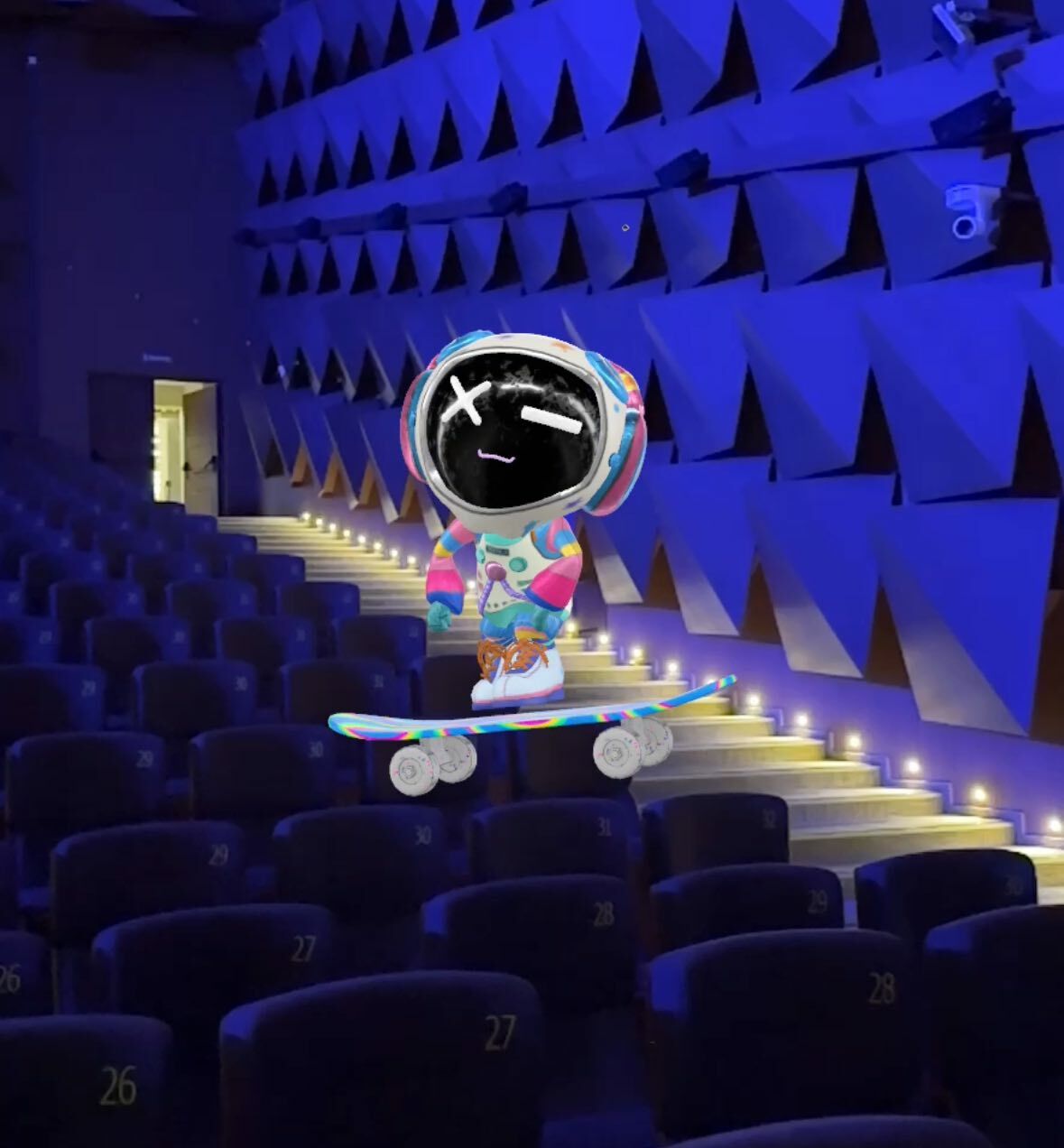
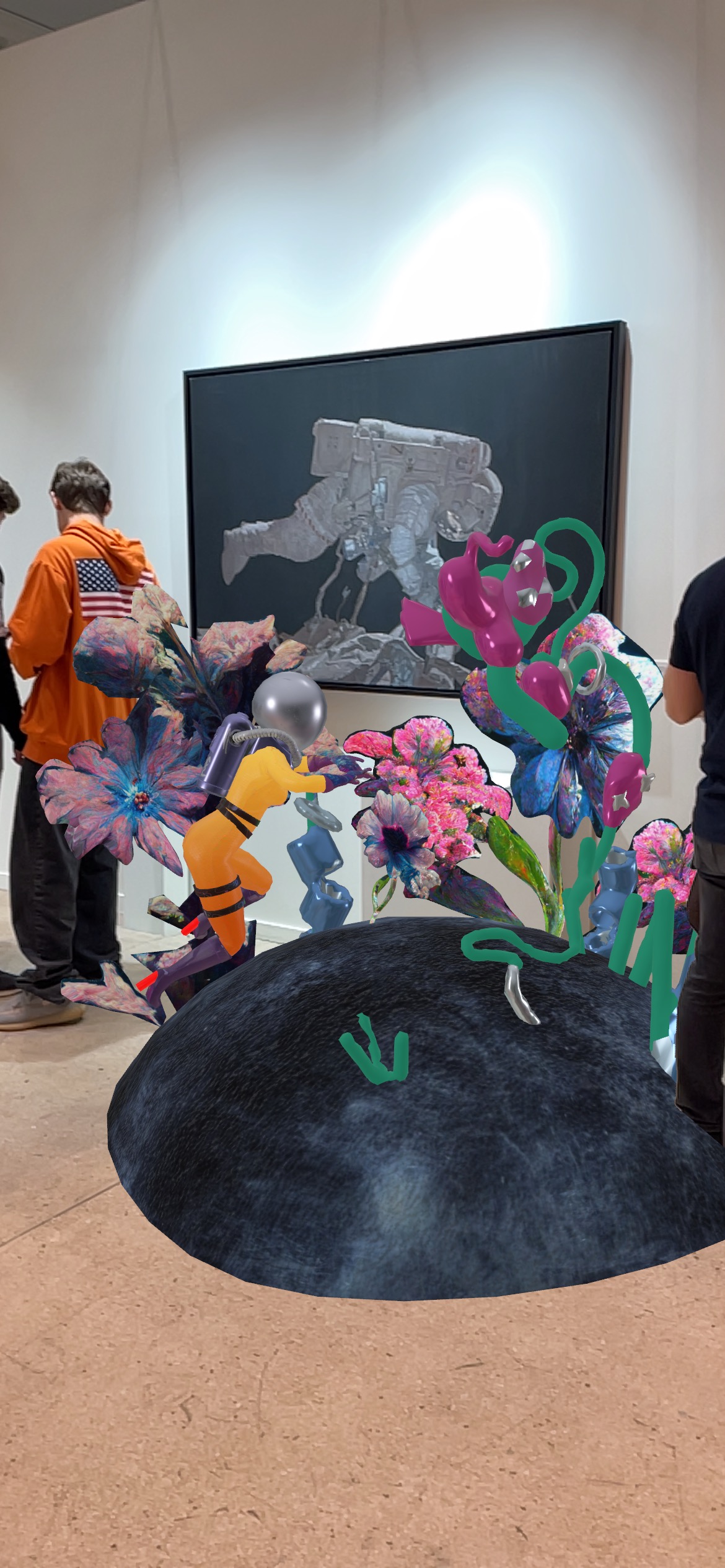
My work usually explores technology, the human body, the future, space, and the ways digital environments change our perception of reality.
My visual language, Space Metamodern, brings together technology and emotion through 3D, AR, AI, digital textures and imagery from the physical world.
After my child was born, something new entered that framework: motherhood.
I'm interested less in an idealised image of the mother than in a much more contradictory experience: tenderness and exhaustion, a loss of control and extraordinary closeness, the body, daily routines and a shifting sense of identity.
It's a deeply earthly experience that I continue to place within my slightly otherworldly visual universe.
From an iPad Drawing to Wearable Art
At first, the work existed only in digital form.
But I wanted to see what would happen if I transferred it onto clothing.
Rather than making a conventional piece of printed merchandise, I wanted the T-shirt to become an extension of the artwork itself.
That was where a completely different part of the process began.

I had to think not only as a digital artist, but also as the designer of a physical object:
— which printing method would preserve the details of the image;
— which fabric would have the quality I wanted;
— how large the print should be;
— how the image would interact with the body;
— what the typography should look like;
— and how ‘perfect’ this piece really needed to be.
Making the T-Shirt
Artist Anna Polani
Why I Chose DTG Printing
I began researching printing techniques with ChatGPT.
We compared different ways of transferring an image onto fabric and eventually settled on DTG — Direct to Garment.
With DTG, the image is printed directly onto the fabric, much like digital printing on paper.
That mattered to me because the original artwork contains fine details, colour transitions and painterly elements that I wanted to preserve.
I also adapted the image to meet the technical requirements for printing and chose the size and placement of the print, the typography and the fabric.
The result felt quite different from ordinary souvenir merchandise. I wanted it to feel more like a piece from a small, independent fashion label.
Why I Deliberately ‘Ruined’ the Perfect T-Shirt
Once the printing was finished, something still felt missing.
It was too neat.
So I continued working on it by hand.
I decided to cut into the T-shirt, leave it feeling unfinished, and add details that would usually be removed during production.
I left in:
— traces of paint;
— pencil lines;
— uneven details;
— cuts and raw edges.
I like that roughness.
It breaks the impression of an industrially produced object and brings the artist's hand back into the T-shirt. In a way, it's the opposite of the flawless digital image.
Dark T-shirt with the motherhood artwork draped over a leather armchair.
Digital → Physical
For me, the most interesting part of this experiment was the transition between media.
iPad → image → print → fabric → working by hand → body.
A work that began as pixels becomes an object. That object then moves with the person wearing it, folds, changes shape and gradually ages.
The image changes along with it.
I like the idea that digital art doesn't have to stay on a screen.
It can become a sculpture, an AR object, a spatial installation or a piece of clothing.
Close-up of hand-cut openings near the neckline and shoulder of the dark T-shirt.
The T-Shirt as an Art Object, Not Merchandise
I didn't want to simply place an image in the centre of a T-shirt and make conventional artist merchandise.
I'm more interested in wearable art — art you can wear.
Clothing becomes another surface to work on.
And the body becomes part of how the artwork is presented.
This is especially interesting in relation to motherhood.
It is an experience so closely tied to the body, yet in art it is most often represented through images of the body. Here, the artwork literally returns to the body.
Imperfection as Part of the Work
Digital tools are constantly offering us ways to correct an image.
  • Undo.
  • Smooth it out.
  • Delete a line.
  • Adjust a shape.
  • Generate another version.
Working on the physical T-shirt, I wanted to do the opposite: leave traces of the process.
  • A pencil line can stay.
  • Paint can run.
  • An edge can be uneven.
  • A cut doesn't have to look factory-made.
To me, these imperfections aren't defects. They become part of the object's story. And perhaps that is a rather fitting metaphor for motherhood itself.
Close-up of the helmeted figure and handwritten text printed across the T-shirt fabric.
What Comes Next
This T-shirt began as a simple experiment: I wanted to see my digital artwork outside the screen.
But the result made me think about wearable art as another direction for my practice.
I'm interested in continuing to explore the boundaries between digital art, physical objects, fashion and augmented reality.
Perhaps the next piece won't stop at a print, and the physical object will gain a digital layer through AR.
About the Artist
Anna Polani is a digital artist working at the intersection of AR, AI and 3D. Her practice explores technology, human experience and the relationship between physical and digital reality through the visual language of Space Metamodern.
→ View Digital Art
→ Explore AR Projects